

We find ourselves living in a time when many certainties are collapsing. False securities are being stripped away, and it is no longer possible to complacently enjoy the illusions of the old era. It may no longer even be credible to assume that governments can adequately represent us, or that our systems can uphold the common good.
Corruption and deceptions once concealed are now coming into the open. Institutions and elites once trusted can no longer depend on entitlement. Scrutiny is more intense, and painful realities—the betrayal of the weak, the manipulation of truth, the misuse of power, and the violence that is enabled wherever conscience is silenced—are now impossible to ignore. This is an age of exposure.
Such exposure is unsettling. It provokes anger, confusion, and anxiety. Yet Christians cannot approach this moment merely as a social or political crisis. We must ask a theological question: What if this unveiling is also a summons? What if, amidst the disorientation, God is calling us to look more honestly at reality?
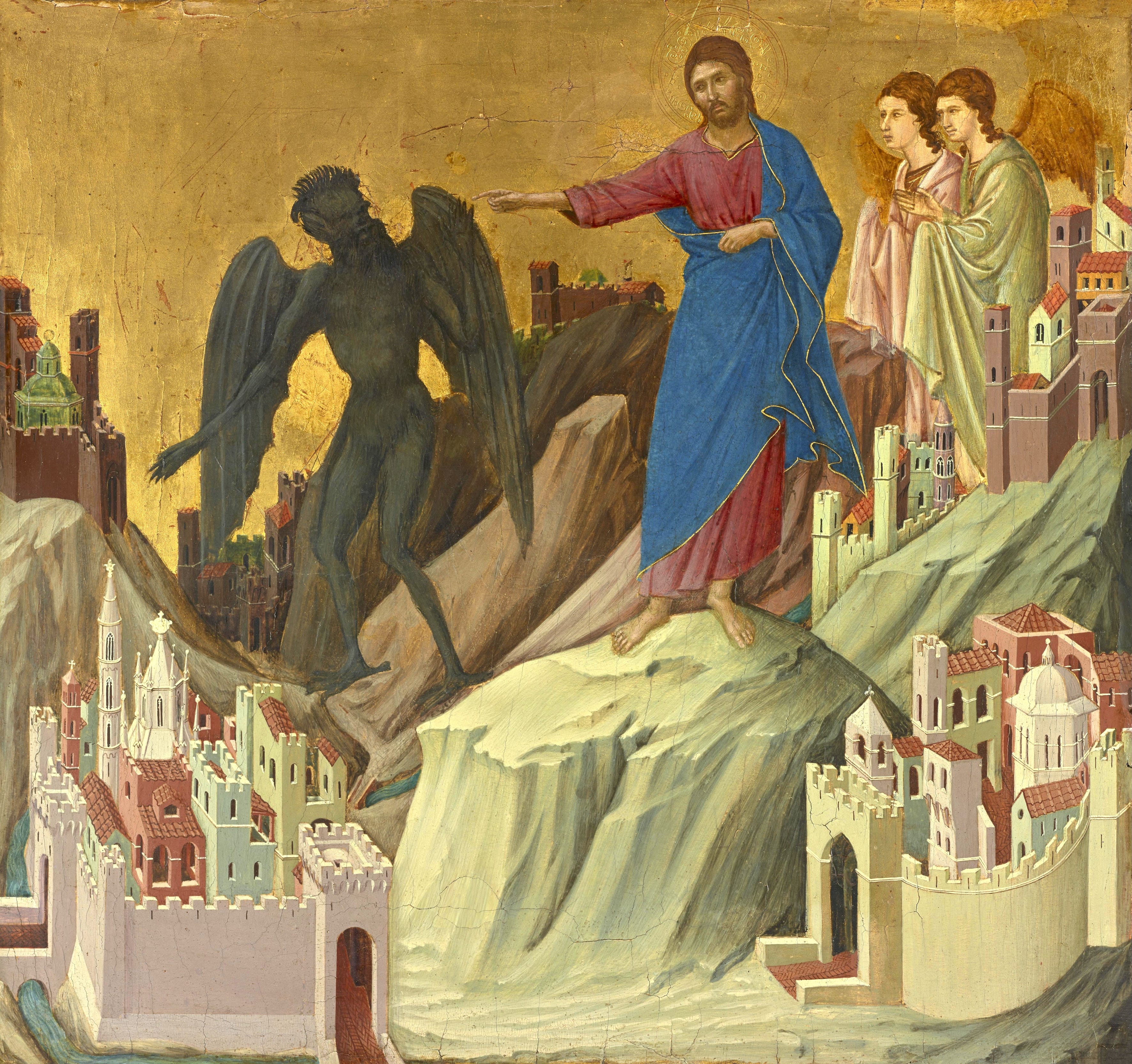
The Christian tradition has the resources to interpret such a time. The forty days of Lent invite us to engage with the mystery of Jesus in the desert. The desert is not a place of escape but of confrontation. There, Christ refuses three temptations that remain perennial: comfort, distraction, and power. Each is an invitation to turn away from God by turning away from truth.
These same temptations pervade our culture. When truth is painful, we reach for comfort—habits or beliefs that shield us from responsibility. The ancient practice of fasting emerged precisely to break that illusion. Aquinas teaches that fasting restrains disordered desire so that the mind may rise to contemplate divine truth. Fasting clears away the sedation of comfort so that we can see reality.
If comfort numbs us, distraction fragments our attention. We inhabit an age of incessant noise, where we are continually diverted, and moral clarity becomes difficult to sustain. As Augustine warned, we turn to externalities to flee from what we would prefer to avoid. Without interiority, we lose the capacity to recognise either sin or grace. Teresa of Ávila regarded distraction as spiritually lethal. Dialogue with God is not withdrawal; it allows us to see the world as it truly is.
The most subtle temptation, however, is power: the desire to control reality rather than be converted by it. Faced with disorder, we grasp for domination, ideological certainty, or the silencing of opposing voices. But this need to control can inhibit the ability to receive truth. Catherine of Siena taught that truth is revealed not to those bent on dominion, but to those with the humility to listen.
The squeamish may question whether it is necessary to confront such unpleasant things. But a society that refuses to face its wounds cannot heal them. Benedict XVI wisely observed that it is “falsehood that poisons humanity.” And as St Paul reminds us, when one member suffers, all suffer. Turning away from painful realities does not protect the body; it makes the whole body sick.
Many are overwhelmed by what is being revealed and seek refuge in forms of avoidance—anxiety, busyness, digital immersion, the indifference of the echo chamber, the somnolence of consumer culture. To resist this drift, we must keep the mystery of God at the centre of our lives by immersing ourselves in the Word. Only then do we develop the courage and confidence to face reality without fear. Truth, when approached in faith, is not a threat—it sets us free.
This perspective guards against grave errors: naïve nostalgia for a supposedly simpler past, cynical despair about the present, denial of politically incorrect truths. The past was never as innocent as we imagine; injustice often persisted precisely because it was hidden; our desires may not align with reality. Exposure—painful though it is—can lead to purification. The recognition of suffering can enlarge our capacity for compassion—and enable reconciliation with parts of the body from which we have been estranged.
The Christian response to this time of exposure is not withdrawal but renewed encounter. The disciplines of Lent train us to listen more deeply—to God, to one another, and especially to those who have been wronged. They free us from superficiality and complacency and bring us back to our senses. A moment of reckoning can awaken responsibility and lead to repentance. The collapse of blind trust may become the beginning of moral maturity.
After decades of what Pope Francis called an “economy that kills” and as the digital revolution unfolds, this moment of crisis offers an opportunity. One by one, we can resist the forces that dehumanise and divide. Every person has a face, a story, and a vocation. Through listening and truthful speech, we can and must build trust through bonds of friendship. If we are detached from the realities of our country, the common good cannot flourish. We have to confront what’s going on. This is our summons.
And here we touch the deepest hope. The exposure of evil does not mean that darkness is winning. It may mean that what was hidden must come into the light where it can be judged and healed—a process that may be difficult. But cultures that lose the ability to distinguish good from evil cannot hold. Lent strengthens us to scrutinise the signs of the times without illusion and without fear.
We may be entering a harsher, more brutally honest world. The question is whether we will meet it with courage or with evasion. The desert shows us the way—where rejecting comfort, distraction, and the lure of power, Christ confronts reality in radical trust in the Father. To follow Him into the desert is not to abandon the world, but to learn how to love it truthfully.
*
Wishing you a good Lent
Jenny Sinclair and all the team at Together for the Common Good
In this edition
Luigino Bruni Charism vs. Business
Jenny Sinclair Catholic Schools and the Common Good
Leaving Egypt podcast latest episodes with John Clifton, Anne Snyder, Harvey Kwiyani and Jide Ehizele, Andrew Willard Jones, Cam Roxburgh
Daisy Inglese The Dignity of Waiting: Mary, Motherhood and NaPro Technology
Signs of the Times - our latest collection of articles from across the media - in this edition, under the headings Humanity, Changing Church, UK News and International News. You will also find a list of Recommended Books.
Staying Human series continues: dates for your diary
Discover all these pieces below.

Charism vs Business: How Should Christian Organisations Respond to Crisis?
Luigino Bruni cautions Christian communities facing crisis against outsourcing too hastily to the influence of leadership theory, consultants, and facilitation techniques. He argues that models that have developed in corporate contexts risk obscuring the distinctive logic of religious charisms and forms of communal governance. Drawing on Scripture and Catholic tradition, he counsels organisations and communities to dig deeper into the heart of their charism. Read the article here.

Catholic Schools and the Common Good
Jenny Sinclair diagnoses the roots of our fractured age, revealing how hyper-individualism and consumerism have fuelled today’s social and spiritual crisis. Addressing Catholic schools, she proposes that by forming students in the common good—shaped by Catholic Social Teaching, rooted in Christian anthropology, and guided by relational spirituality—they can become part of the antidote to the malaise, and, in relationship with their local communities, participate in God’s mission to transform the world. Read the essay here.
Leaving Egypt podcast
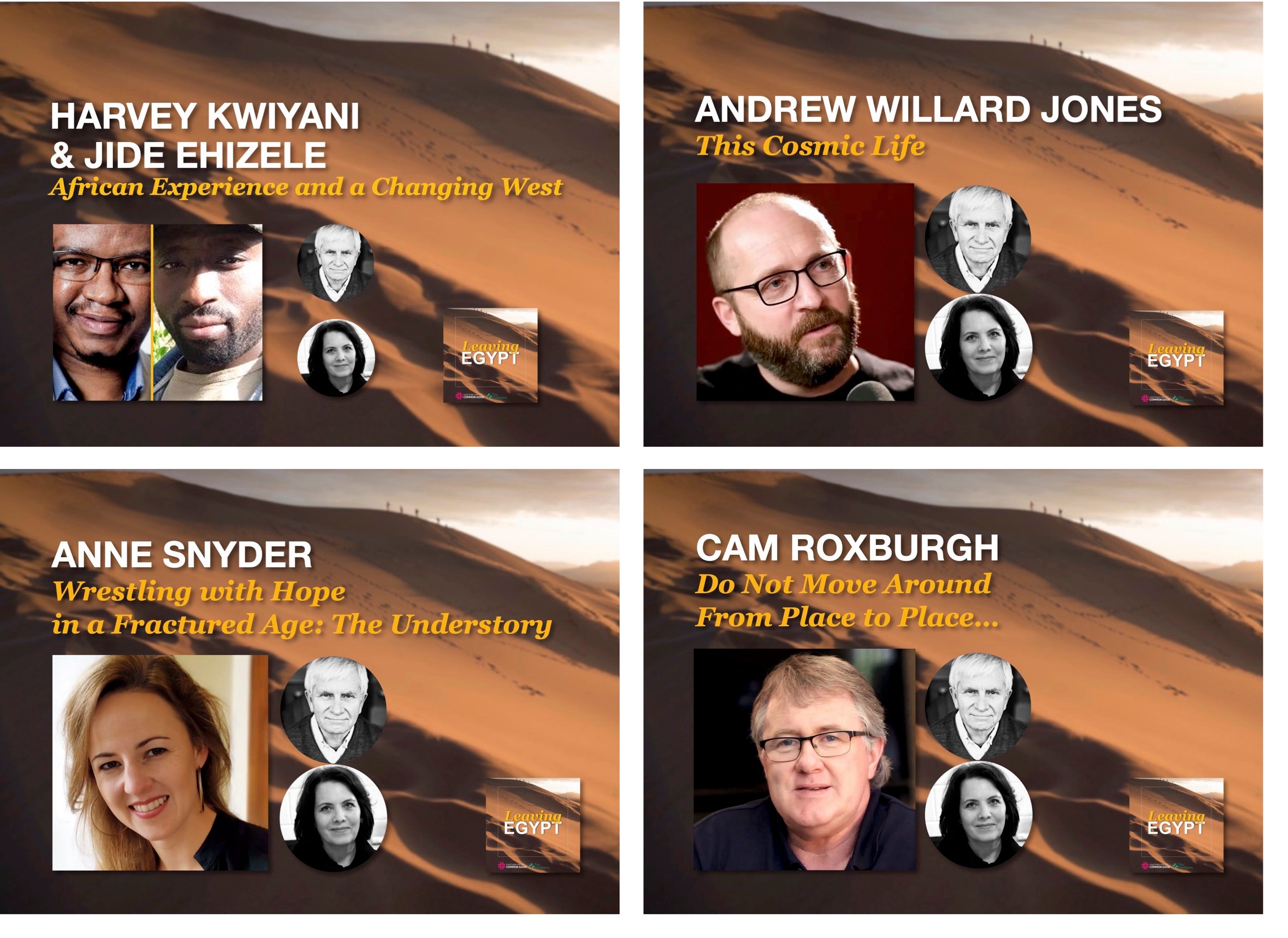
Discover the latest episodes of the Leaving Egypt podcast where co-hosts Jenny Sinclair and Alan Roxburgh explore what it means to be God’s people in an age of unravelling. Guests from across the Christian traditions meet with Jenny and Al to read the signs of the times and share stories of hope from the grassroots.
Andrew Willard Jones This Cosmic Life
Harvey Kwyiani and Jide Ehizele African Experience and a Changing West
Anne Snyder Wrestling with Hope in a Fractured Age: The Understory
Cam Roxburgh Do Not Move Around From Place to Place
Join the Leaving Egypt community and listen to the podcast here.
More wonderful guests coming up include Luigino Bruni, Rob Stewart, Melanie Rieback, Mark Lau Branson, Bishop Guli Francis-Dehqani, and many more.

The Dignity of Waiting
In a culture inclined to manage or bypass fertility, Daisy Inglese explores a more restorative vision rooted in Christian anthropology, attentiveness to the body, and a hope that refuses to be rushed. In doing so, she reflects on Mary’s motherhood and the dignity of waiting, drawing together faith, fertility, and healthcare through the lens of Catholic Social Teaching. Read the article here.

Common Good Schools - Lent update
Jo Stow, our Common Good Schools Project Leader, shares her excitement about the launch of the KS2 programme on 26 February, and welcomes new schools to our secondary programme. Jo also previews our upcoming activities and speaking engagements, and invites you to get involved—whether by joining in or praying for this vital work. Find out more here.

Signs of the Times and Recommended books
Discover our latest collections of articles to help you navigate this time of upheaval. We’ve assembled articles on Humanity, Bondi Beach, Islamism, Antisemitism, Changing Church, UK and International news - from across the media. You will also find our latest Recommended Books. Explore the collection here.
Staying Human talks series continues

Dates for your diary - our Staying Human series of lectures public talks later this year. Booking opens nearer the time.
21 May 2026: Matthew Sanders - Staying Human: AI and the Future of Work
6 October 2026: John Clifton - Staying Human: Christ in the Abandoned Zone
To catch up on the series so far, click here
Thank you
Header image: Duccio di Buoninsegna: The Temptation of Christ on the Mountain (1308-1311) Frick Collection (Wikimedia Commons)